

Short Description
A Factorio 2.0 Space Age overhaul built around rising pressure, deliberate tradeoffs, and context-sensitive logistics. Progress through age-based industry, planetary resource systems, gates, orbital logistics, and late-game megastructures. Difficulty is part of the theme, but tech scaling, enemy pressure, and other stress points are configurable.
The Mod
Exotic Space Industries: Remembrance is a long-form Factorio 2.0 Space Age overhaul about industrial escalation under pressure. It leans into by-products, infrastructure costs, harsh planetary constraints, and logistics that keep changing as the factory matures. Difficulty is part of the theme: rising research costs, enemy pressure, route friction, and hazardous systems are meant to matter. The pressure is intentional, not arbitrary, and the startup settings give you real control over how severe that pressure becomes.
What This Overhaul Asks Of You
- You want a new-game overhaul run, not a light rebalance.
- You like production chains with by-products, waste handling, and costly infrastructure.
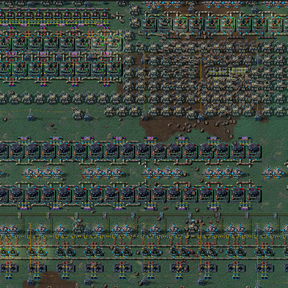
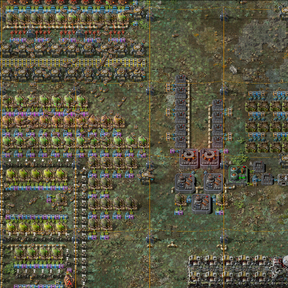
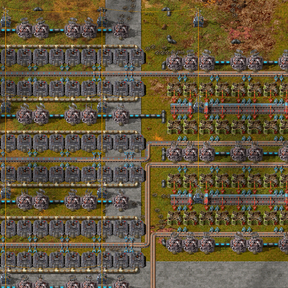
- You want buildings, terrain, sounds, and effects to have a strong industrial identity instead of feeling like vanilla placeholders.
- You are comfortable with pressure as part of the tone, and you want that pressure to be adjustable rather than absent.
- You want logistics to keep evolving as orbital systems, gates, EM transport, and heavier runtime surfaces come online.

Structure
Remembrance stays organized around age-based progression. Early play leans on hands, burners, steam, improvised throughput, and narrow margins. Electricity and computer stages widen the base into better metallurgy, logistics, science, and planetary extraction. Quantum and exotic layers push toward gates, orbital logistics, fusion, black holes, stabilizers, and other systems that stop behaving like simple upgrades and start behaving like infrastructure.
Some Features
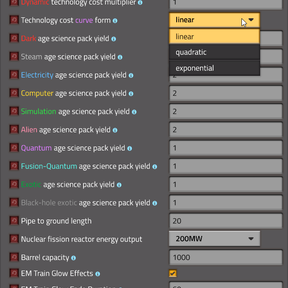
- Age-based tech scaling with the new Age ramp curve, weighted technologies, and rebuild tools for existing saves.
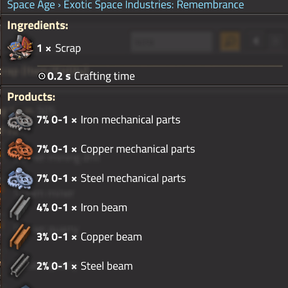
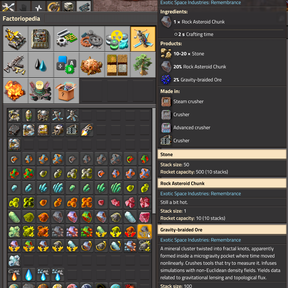
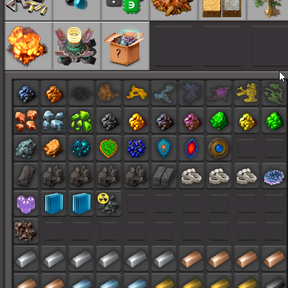
- Resource progression that spans surface deposits, poor/good/pure chunk handling, deep extraction, slag recovery, and planet-specific chains.
- Authored planetary systems including Gaia, Vulcanus auric fumaroles, and Fulgora day-length variation.
- Orbital Logistics Scanner banks with Requests, On The Way, and Need modes, plus the Orbital Logistics Cohort layer.
- Breach gates with cargo burden, Transit Span pricing, receiver saturation, stress, and residue handling.
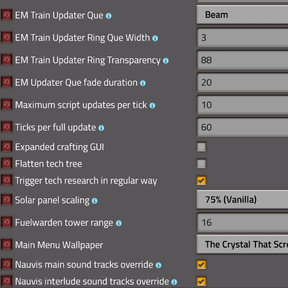
- EM transport, loaders, Fuelwarden towers, and other logistics surfaces that keep changing how the factory moves.
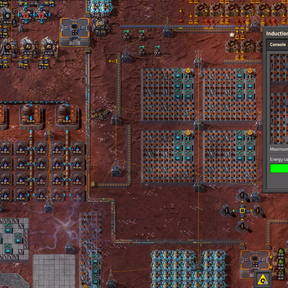
- Late-game infrastructure such as induction matrix arrays, fusion, matter stabilizers, neutron systems, and black hole hardware.
- Modular rockets, Tesla doctrine, flammable rupture handling, launch pollution, and terrain scars that make combat and hazards feel systemic.
- Broad Informatron coverage, multiple admin rebuild commands, and runtime hardening work aimed at large saves.
What Remembrance Changes
Remembrance sharpens the overhaul around pressure and consequence. Research scaling now has an age-aware curve instead of a flat climb. Planet surfaces carry more authored identity and stronger local rules. Logistics extends beyond belts and trains into scanner banks, orbital selectors, dispatch uplinks, gate routing, and receiver stress. Combat becomes more modular and more dangerous through rebuilt rocket ordnance, Tesla doctrine, and hazard systems. Heavy scripted features are also being reworked around bounded queues, rebuild paths, and cached state so large saves stay more trustworthy.
Resources And World Systems
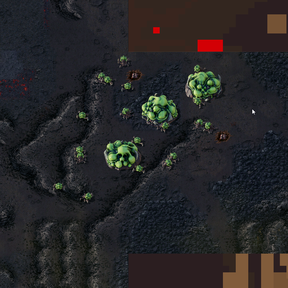
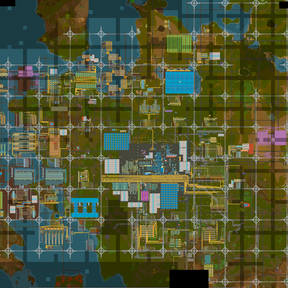
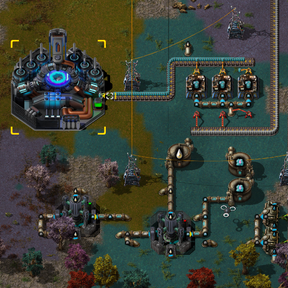
Resources are not just bigger vanilla patches. The run pushes you through chunk quality, deep extraction, slag recovery, alternate pathways, and planet-specific chains. Gaia is a real authored surface with custom terrain, biome pressure, relic debris, and distinct hydrology-driven resource provinces. Vulcanus adds auric fumaroles with dormant wakeups, self-seal behavior, volcanic scars, and admin rescan support. Fulgora can also shift its day length from cycle to cycle, changing how that world feels over time.

Buildings And Industry
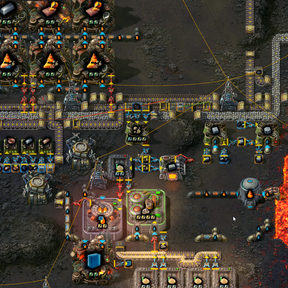
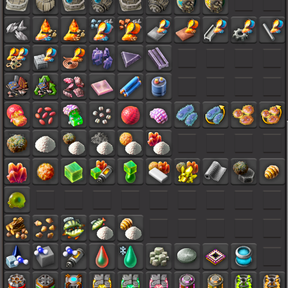
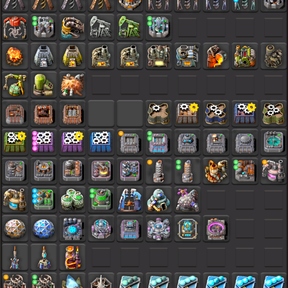
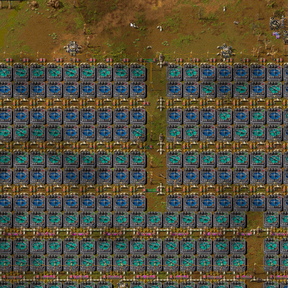
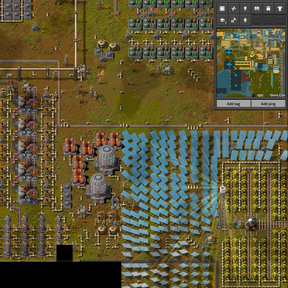
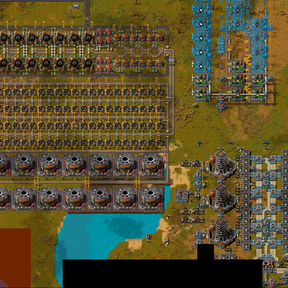
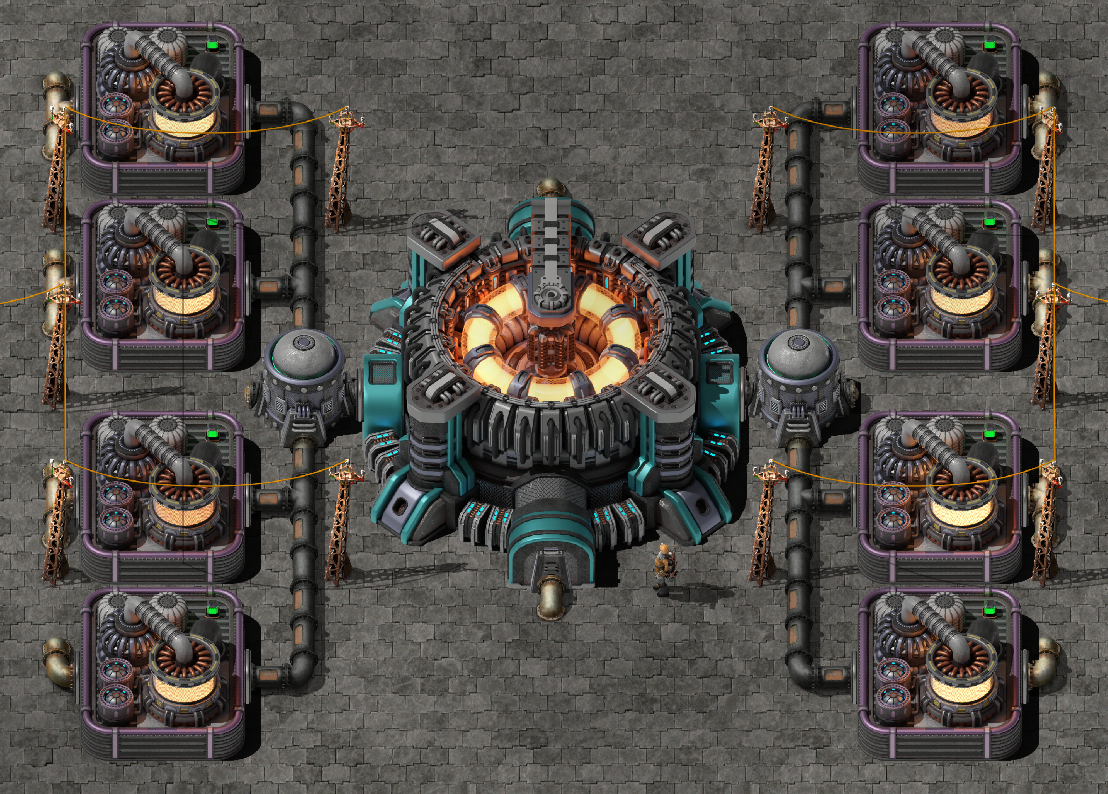
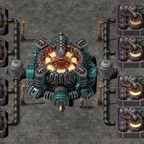
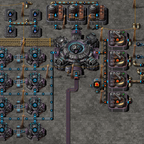
Buildings matter visually and mechanically here. Steam assemblers, crushers, loaders, reactors, matrix components, black hole hardware, and alien machinery all carry a strong industrial identity, and the companion graphics packs extend that look across the run. Late-game progression is built around real infrastructure: induction matrix arrays, fusion and neutron chains, matter stabilizers, and black hole systems are not decorative endpoints, they are central factory surfaces with their own runtime and UI behavior.
Logistics And Transport
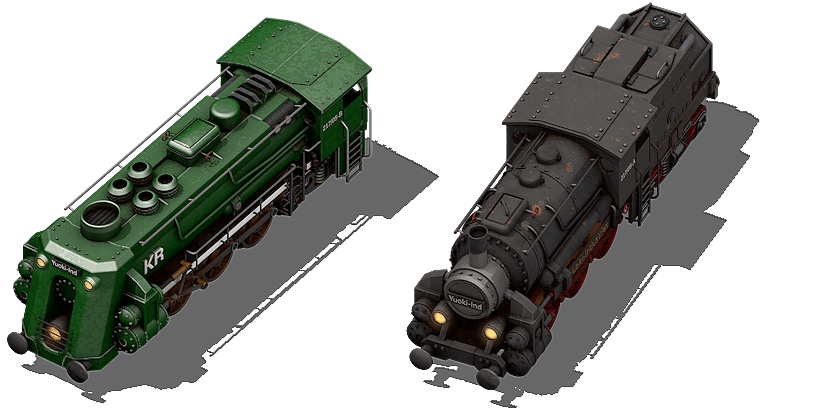
Logistics does not stop at belts and trains. The Orbital Logistics Scanner mirrors same-surface platform requests in Requests, On The Way, and Need modes, and scanner banks can spread larger request sets across adjacent machines. The Orbital Logistics Cohort adds platform transponders, orbital selectors, dispatch uplinks, and coordinator logic around that surface. Gates form a second transport layer with cargo burden, Transit Span pricing, receiver saturation, route stress, and residue. Rail also keeps mutating through loaders, Fuelwarden towers, steam, diesel, and atomic progressions, and the EM transport branch.
Combat, Pressure, And Late-Game Power
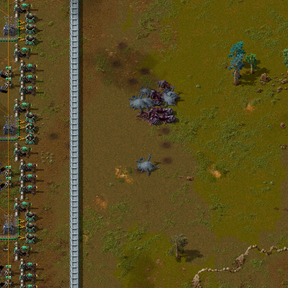
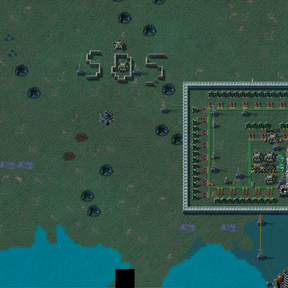
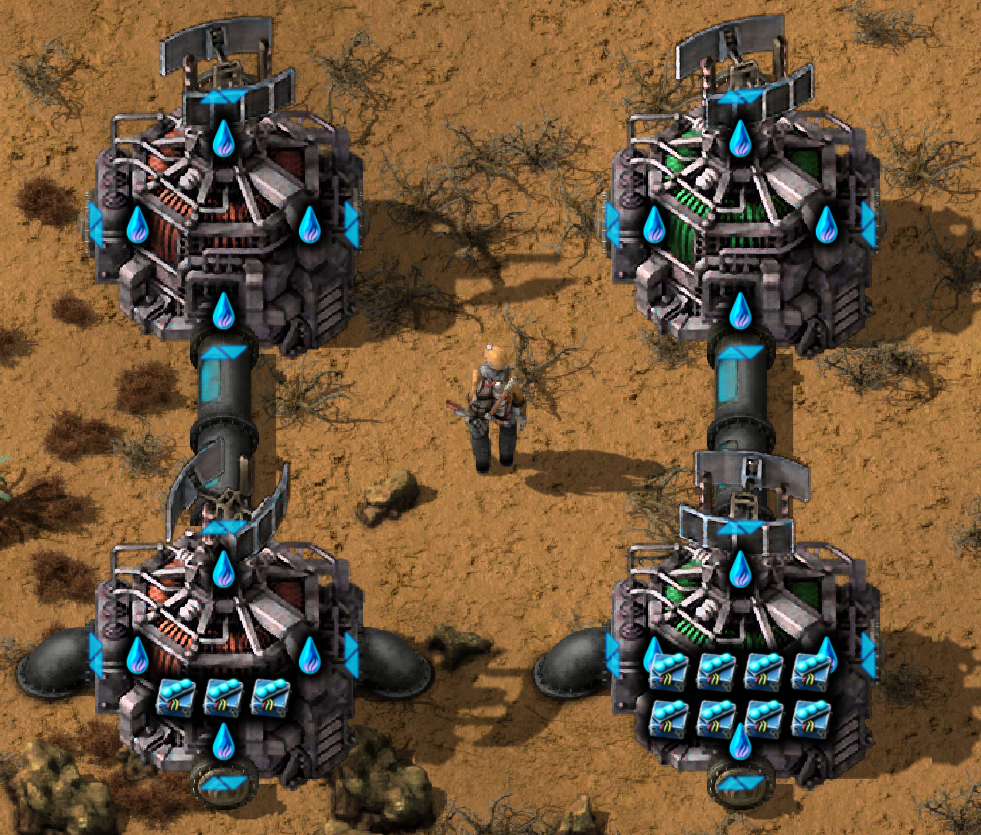
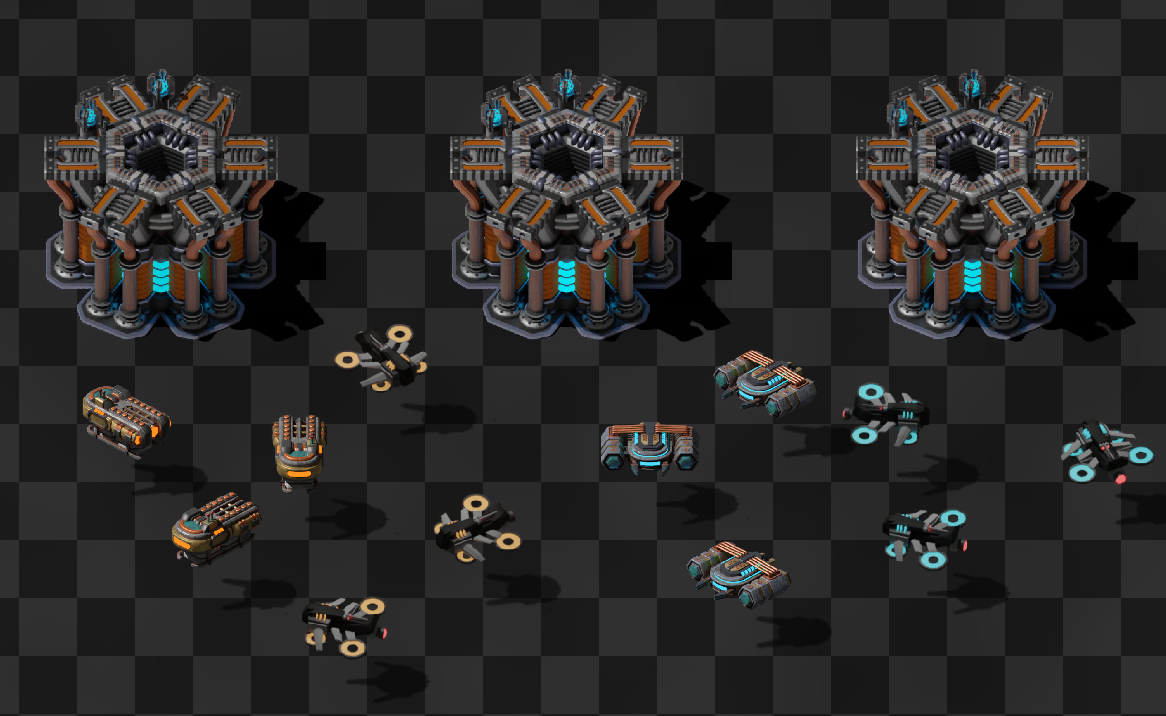
Difficulty is not a side effect here, it is a design language. Enemy pressure can be tuned with the difficulty ladder, while gate attunement, rupture fidelity, and tech-scaling settings let you decide how cruel the later systems should become. Combat itself is more systemic: rockets were rebuilt into modular airframe, motor, and warhead families with corrosive, cryo, atomic, and siege branches; Tesla doctrine now forms a deeper late-game line; launch pollution, breach stress, and terrain scarring make heavy industry feel costly instead of clean.
Performance And Usability
The mod carries a wide Informatron surface covering progression, logistics, hazards, and planetary systems. Runtime-heavy features are being hardened around shared scheduler helpers, bounded rebuild passes, cached state, and explicit admin repair paths. Current locale coverage includes English, French, Japanese, Polish, Russian, Simplified Chinese, and Traditional Chinese.
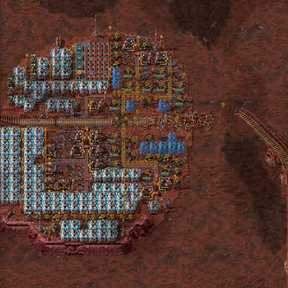
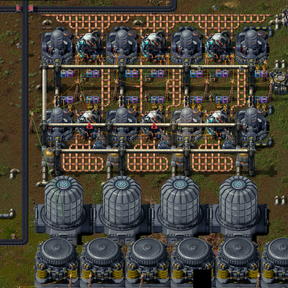
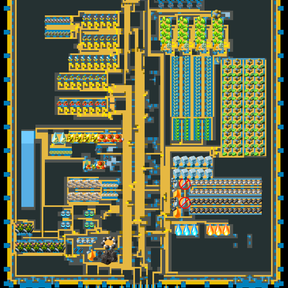
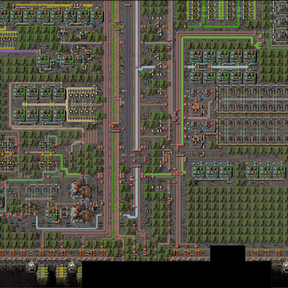
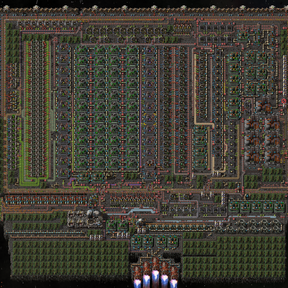
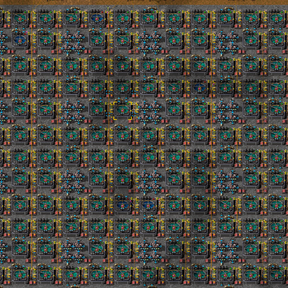
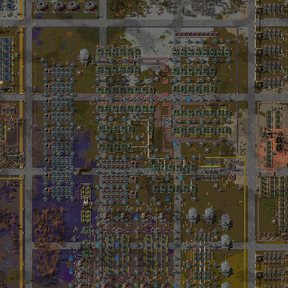
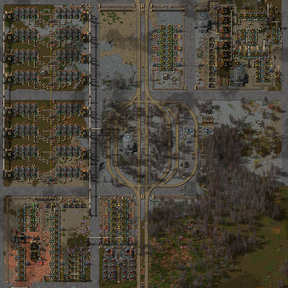
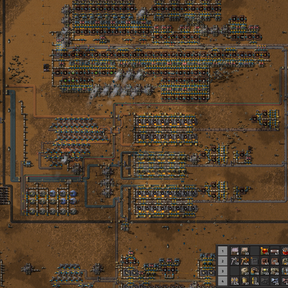
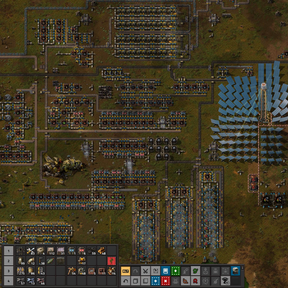
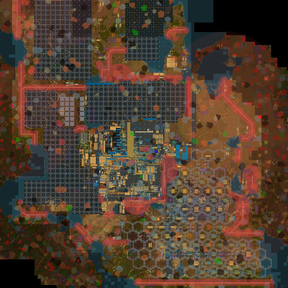
Original Portal Image Set
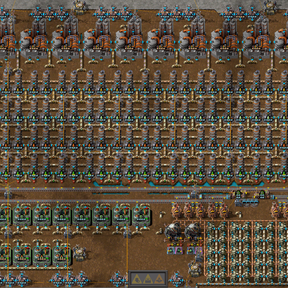
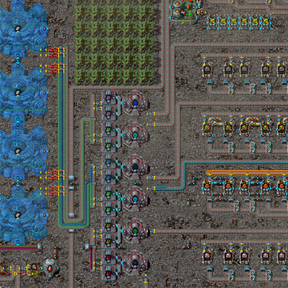
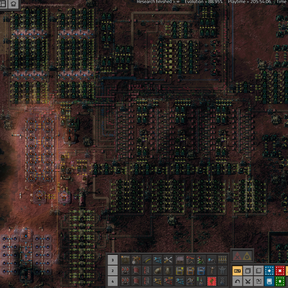
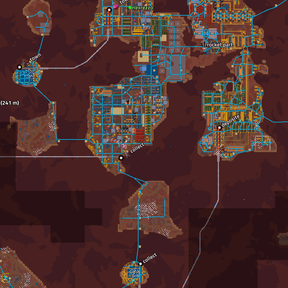
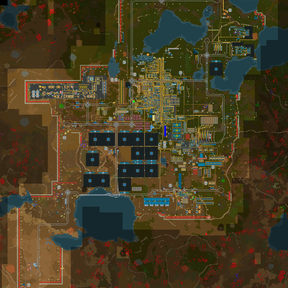
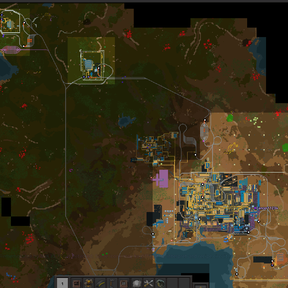
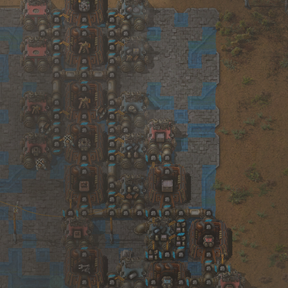
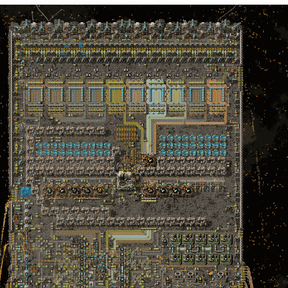
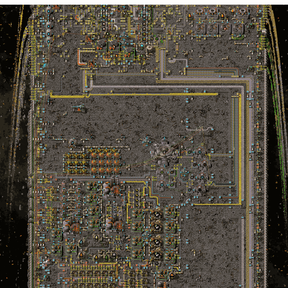
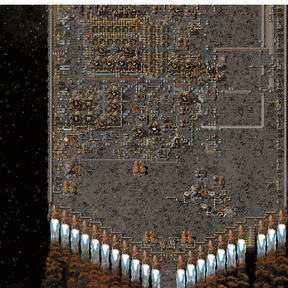
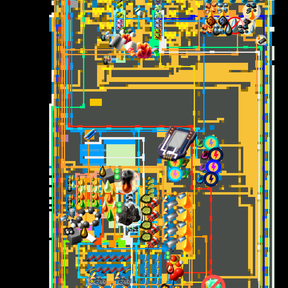
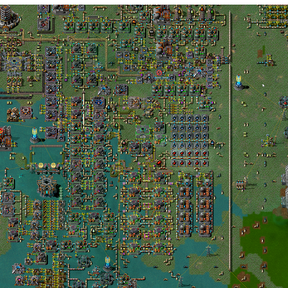
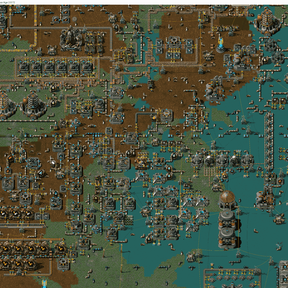
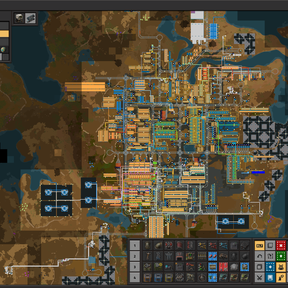
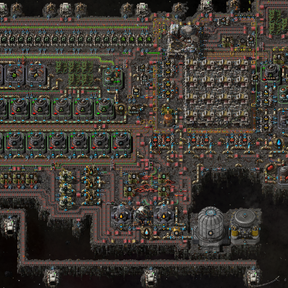
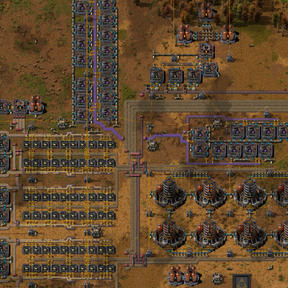
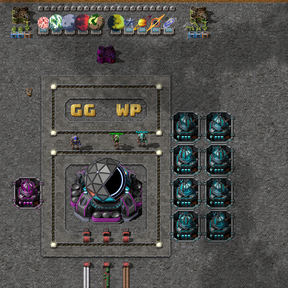
Original Portal Screenshots



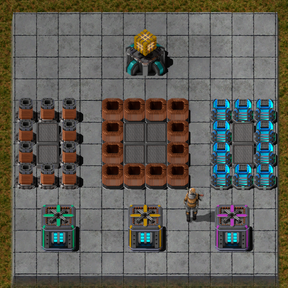
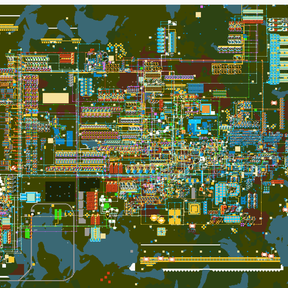
Original Portal Infographics


Pack, Compatibility, And Save Notes
- Requires the main gameplay pack plus
exotic-space-industries-remembrance-graphics-1,exotic-space-industries-remembrance-graphics-2,exotic-space-industries-remembrance-graphics-3,exotic-space-industries-remembrance-soundtrack-1, andexotic-space-industries-remembrance-soundtrack-2. - Built for Factorio 2.0 with Space Age.
- The dependency surface is broad and includes optional planet and utility integrations. Use the Mod Portal dependency page for the exact current list instead of relying on a stale summary.
- Gaia world-generation changes on an existing save may require
/reforge_gaia. This destroys and rebuilds Gaia, so it should be treated as a major save operation. - Admin rebuild commands currently include
/refresh_tech_scaling,/rescan_induction_matrix,/rescan_fuelers,/rescan_emt,/rescan_orbital_logistics, and/rescan_auric_fumaroles. - Expect a long-form overhaul run. Exact length depends heavily on settings, optional planet integrations, and how hard you tune the pressure surfaces.
Community Links
Recent Highlights
- Added Age ramp as the default technology cost scaling curve for new profiles, with gentler early ages and heavier late-age pressure.
- Expanded the Orbital Logistics Scanner with power-state feedback, On The Way and Need modes, better UPS gating, and stronger documentation coverage.
- Added Orbital Logistics Cohort v1 with platform transponders, orbital selectors, dispatch uplinks, coordinator logic, and rebuild/QC surfaces.
- Reworked Vulcanus auric fumaroles around stronger radial rules, dormant recovery pressure, off-center placement, rescan support, and clearer in-game docs.
- Replaced the old flammable-fluid dependency path with an in-house rupture system and added fidelity settings for Lean through Unbounded behavior.
- Rebuilt rocket ordnance into modular airframe, motor, and warhead families with corrosive, cryo, atomic, and siege branches.
- Added the enemy difficulty ladder so combat pressure can be tuned from Merciful through Impossible.
- Added gate Transit Span pricing and later Gate attunement tuning so breach logistics becomes a real late-game cost surface.
- Continued runtime hardening across tech scaling, Tesla sync, EM transport, beacon overload, fusion support, and stale-entity cleanup.