
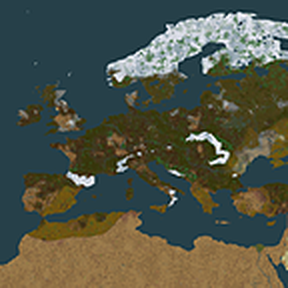
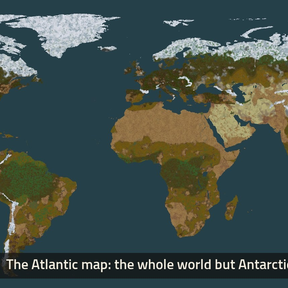
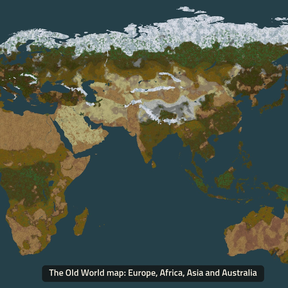
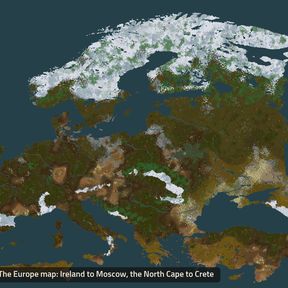
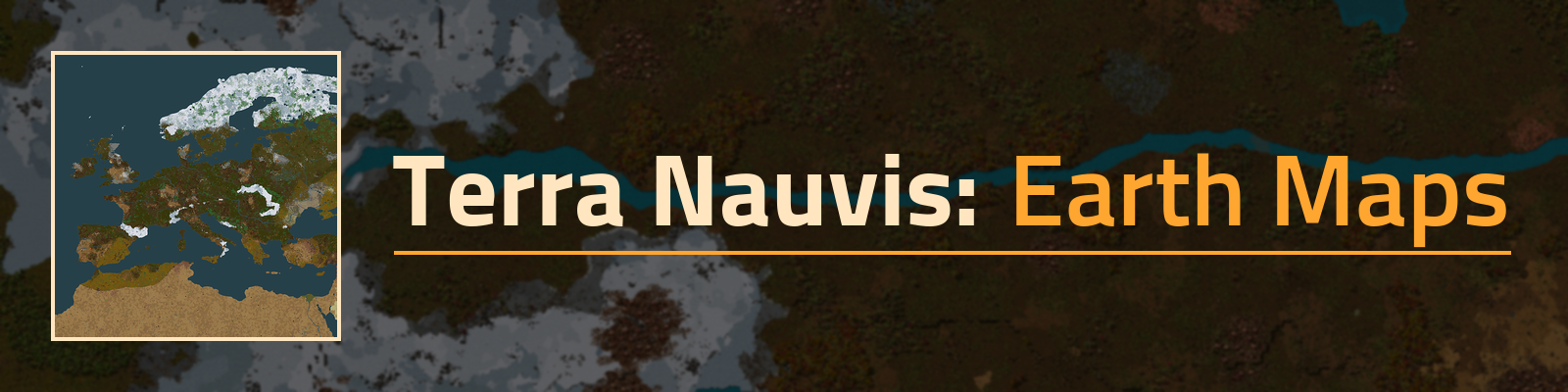
Terra Nauvis turns Nauvis into Earth. It has three maps (Europe, the Old World, the Atlantic) with real
coastlines, rivers, mountain ranges and ore fields, in eight sizes, and you start at a real city. It needs
Factorio 2.1.24 or newer and runs on the base game. Alien Biomes is optional.
The land is drawn by noise expressions, the game's own map generation language, so the new-game preview shows
the real map and nothing runs per tick. A mod update never changes an existing world. How it works, with
numbers and links into the code, is in the README on GitHub.
Lean ore (on by default)
Version 1.2.0 makes ordinary ore lean, so the world is worth exploring. The starting patches at the spawn are the
base game's, but every other ordinary patch is small: a typical one within 1,000 tiles of the spawn holds about 500
thousand ore, and none anywhere holds more than 5 million. The real ore sits in the hotspots, the big fields at
Earth's mining regions. They start small near the spawn and grow to their full size by about 3,000 tiles out: up to
50 million at map scale 6, 71 million at 12 and 100 million at 24, ten times the largest ordinary patch.
This is meant to change how a game plays. You outgrow the patches near home, spread out along rail lines and fight
for the hotspots, so where you start on Earth decides where your factory grows. Without it, ordinary patches far
from the spawn grow to about 20 million, a third of a hotspot or more, and plenty of ore sits close to home, so
there is little reason to travel far or to seek out a hotspot.
Prefer the base game's ore? Turn off Lean ore in Settings > Mod settings > Startup. The amounts above are at the
default ore sliders, and the richness and size sliders scale all of them.
Ore hotspots
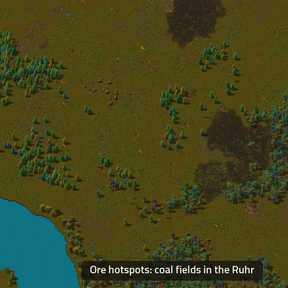
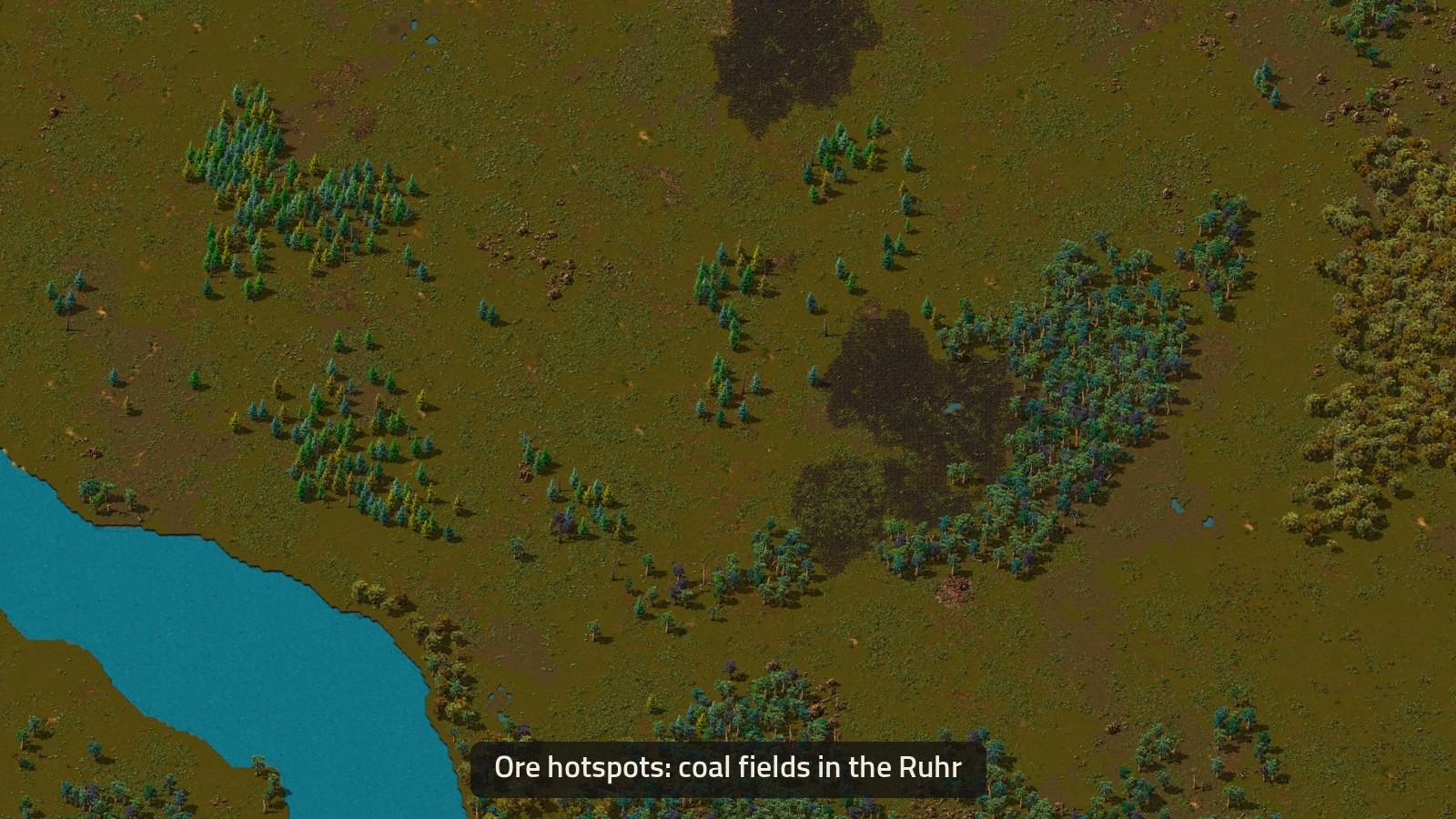
The big ore fields sit where Earth's are. Real mining regions hold dense ore hotspots: 27 on the Europe map,
136 on the Old World and 180 on the Atlantic, each a dense field much richer than an ordinary patch and guarded by
about three times the usual biter nests, so they are worth the fight. Ordinary patches still spread across the map as in the
base game, and the Regional scarcity mod setting (below) makes them rarer far from home outside the regions that hold that ore on
Earth.
A hotspot near the spawn starts small and grows to its full size by about 3,000 tiles (both distances follow
the Starting area slider). On the big map scales full fields hold more: 1.4 times as much at scale 12 and twice as
much at 24. Oil fields on land follow the same rule. With the Lean ore setting (on by default) ordinary patches are
small, about 500 thousand ore near the spawn and never over 5 million, so a full hotspot of up to 50 million is
worth the trip.
- Iron. Kiruna, Lorraine, Kryvbas, the Kursk Magnetic Anomaly, the Pilbara, Simandou and Sishen. The Atlantic
map adds Carajas, the Mesabi Range and the Labrador Trough. - Copper. The Central African Copperbelt, Norilsk, Oyu Tolgoi, Olympic Dam and Grasberg. The Atlantic map adds
the Atacama, central Chile and the Arizona porphyry belt. - Coal. The Ruhr, Upper Silesia, the Donbas, South Wales, the Kuzbass and Shanxi. The Atlantic map adds the
Powder River Basin and Pocahontas. - Oil. Ghawar, Basra and Kuwait, Kirkuk, Baku, the Volga-Ural, Samotlor, Hassi Messaoud and the Niger delta.
The Atlantic map adds the Orinoco Belt and the Bakken. With Cargo Ships: Oil Rig there are offshore oil fields too. - Uranium. Chu-Sarysu, the Ore Mountains, Erongo, Arlit and Olympic Dam. The Atlantic map adds the Athabasca
Basin. - Stone. Carrara marble, Portland stone, Pentelicus and Aswan granite.
The Ore hotspots mod setting turns them off for a plain map.
Install
Install it from the game (Mods > Install, search for Terra Nauvis) or download it on this page. Alien Biomes is
optional: it adds more ground types, and the three zone settings need it.
In multiplayer every player needs the same version of Terra Nauvis as the server.
How to start a world
- Optional: Main menu > Settings > Mod settings > Startup. Set the map scale and the spawn city, plus any option
below. The defaults give a normal Earth, so you can skip this. - Main menu > Single player > New game.
- At the top of the new-game screen, click a Terra Nauvis preset in the preset list: Terra Nauvis: Europe,
Terra Nauvis: Atlantic or Terra Nauvis: Old World (right after Default). That one click sets up the
whole world: the map type, the climate and the map settings. You do not need to change anything in the
Terrain tab. - Move one of the game's map sliders if you like (see Game map sliders below), check the preview, and play.
Settings are read once, when the world is created. Changing them later only affects worlds you make afterwards,
and a mod update never changes an existing world.
Game map sliders
The game's own sliders on the new-game screen work on top of a Terra Nauvis preset, with two exceptions.
Measured on the Atlantic map at scale 6:
- Water does nothing. The coastlines, seas, lakes and rivers come from the map of Earth, at any setting.
- Cliffs (the game's frequency and continuity sliders) do nothing. Terra Nauvis puts its cliffs along the
ridges of the real mountain ranges, so they stay where the ranges are. To turn them off, use the mod's own
Ridges setting (Main menu > Settings > Mod settings > Startup), not the game's cliff sliders. - Resources. Size and richness work for each ore and for crude oil, ore hotspots included, and frequency sets
how many ordinary patches there are. At size 600% the Kiruna field holds six times the iron on almost twice the
tiles, and richness 600% puts six times the ore in every tile. With Lean ore the limits on patch and hotspot
size grow with both sliders. - Starting area moves the enemy-free zone around the spawn and the distances over which ore hotspots grow to
full size. The land, the lake and the starting ore stay the same. - Moisture and Terrain type work: wetter or drier ground, larger or smaller ground patches, and the coasts
stay. Pushed far, they can thin out some ore near the start. - Temperature (hot and cold, with Alien Biomes) works strongly. More cold buries central Europe in snow, less
takes the snow off Lapland. At the extremes it can also cost some ore in the snowy north. - Enemy bases, Trees and Rocks work as in the base game.
The three maps
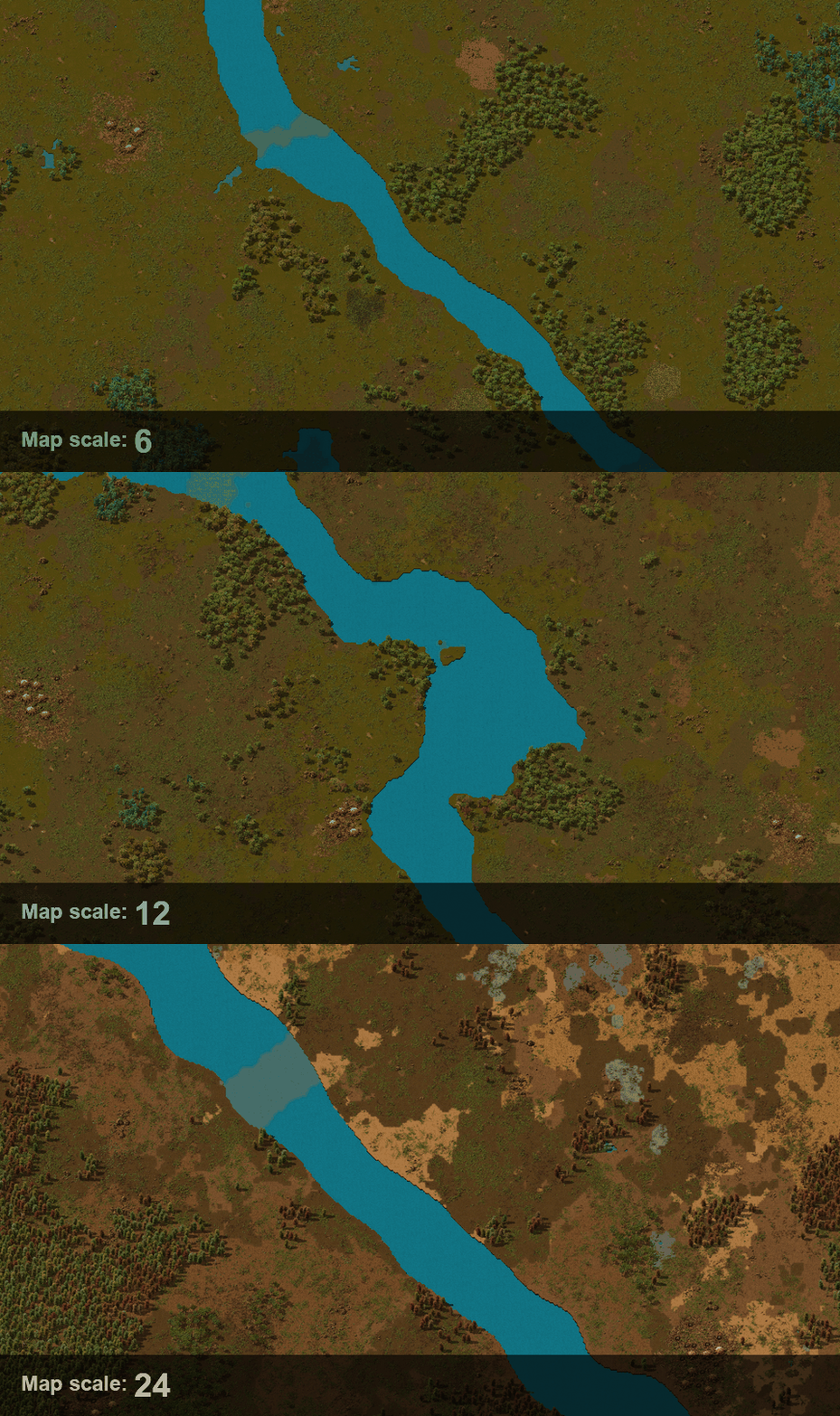
Outside each map is endless deep ocean. Map scale is how many tiles each pixel of the source map becomes: at
scale 1 a tile is about 2.5 km, at scale 6 about 410 m, at scale 12 about 205 m and at scale 24 about 103 m. A
higher scale is the same map with more room. It does not add places. Sizes in tiles:
- Europe: Ireland to Moscow, the North Cape to Crete. 2,400 x 1,704 at scale 1, 14,400 x 10,224 at scale 6
(the default), 28,800 x 20,448 at scale 12, 57,600 x 40,896 at scale 24. - Old World: Europe, Africa, Asia and Australia. 8,963 x 5,847 at scale 1, 53,778 x 35,082 at scale 6,
107,556 x 70,164 at scale 12, 215,112 x 140,328 at scale 24. - Atlantic: the whole world but Antarctica, the Americas included. 15,689 x 6,524 at scale 1, 94,134 x 39,144
at scale 6, 188,268 x 78,288 at scale 12, 376,536 x 156,576 at scale 24.

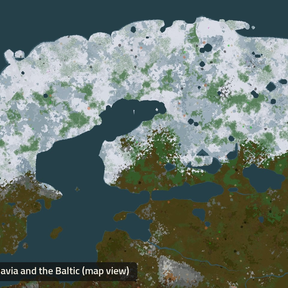
The three maps at scale 6, seed 1000, with Alien Biomes and every setting at its default (Destroyed Europe and
Blue corrupted UK off).
Mod settings
Terra Nauvis adds twelve startup settings and one runtime setting, under Main menu > Settings > Mod settings,
with these defaults. Every default gives a normal Earth.
- Map scale (6): 1, 2, 3, 4, 5, 6, 12 or 24 tiles per pixel of the source map. See the sizes above.
- Spawn city: Europe (Random): the city the world starts at, from 40. The map moves so the city sits at the
spawn, with land around it, a lake nearby, the starting ore and the usual enemy-free start. - Spawn city: Atlantic (Random): the same, from 52 cities. Random picks one of the first 50 from the map seed.
- Spawn city: Old World (Random): the same, from 33 cities.
- Ore hotspots (On): dense ore fields at real mining sites such as Kiruna, the Ruhr, the Donbas, Ghawar and the
Copperbelt (27 fields on Europe, 136 on the Old World, 180 on the Atlantic), with about three times the usual
biter nests inside. Near the spawn they start small and grow to full size by about 3,000 tiles, and they hold
1.4 times as much at scale 12 and twice as much at 24. With Cargo Ships: Oil Rig there are offshore oil fields
too. - Lean ore (On): ordinary ore patches are small, a typical one within 1,000 tiles of the spawn holds about 500
thousand ore and none anywhere holds over 5 million. Hotspots hold up to 1 million within 1,000 tiles, none within 150
tiles of the spawn, and up to 50 million at full size (71 million at scale 12, 100 million at 24). These amounts
are at the default ore sliders and follow each ore's size and richness sliders. The starting patches are the base
game's. Off keeps the base game's ordinary ore and larger hotspots. - Regional scarcity (Medium): Off, Medium or Strong. Far from the spawn, ordinary ore patches get rarer outside
the regions that hold that resource on Earth. At Medium about 20 percent of the uranium patches remain there, 35
percent of the oil, 50 of the copper, 65 of the iron, 75 of the coal and 95 of the stone. The start and the
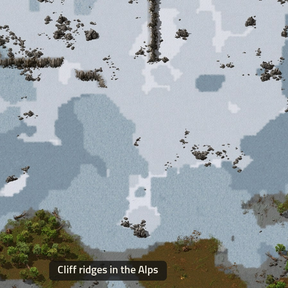
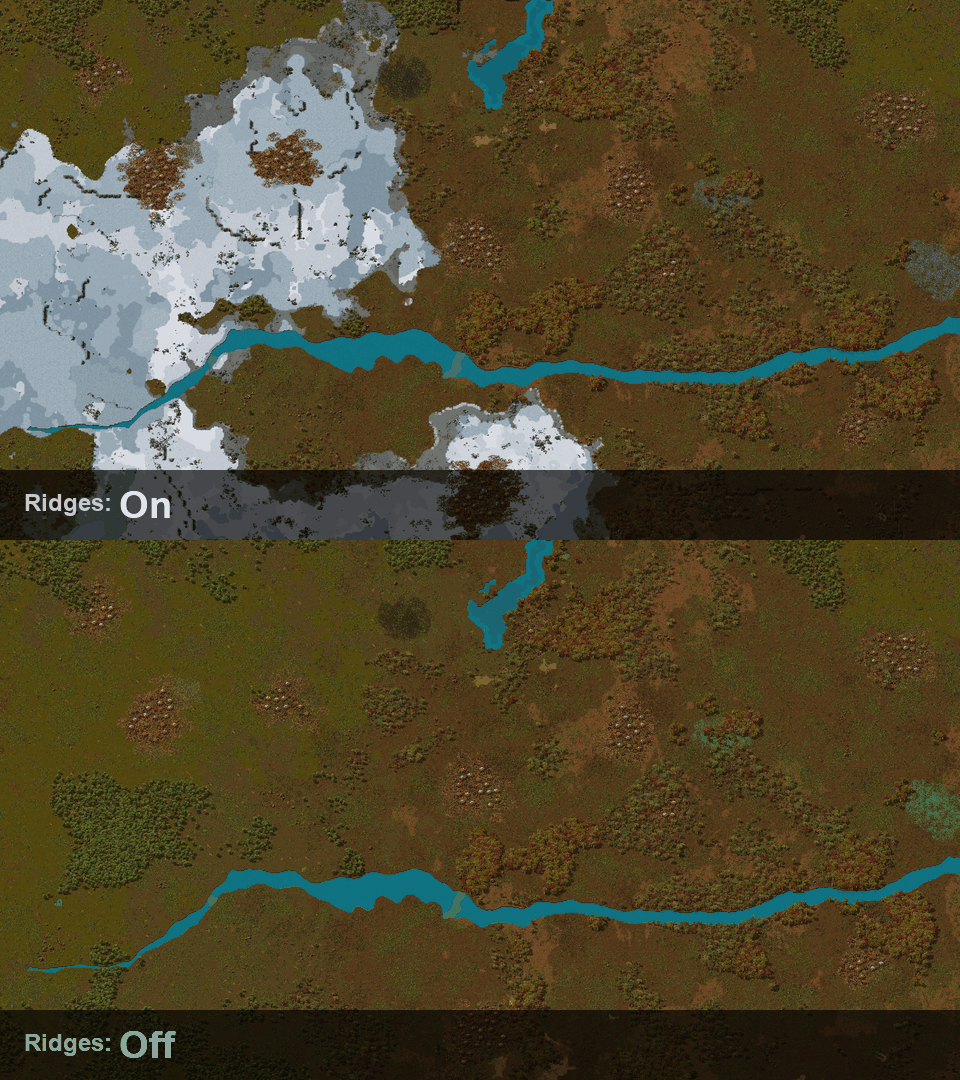
hotspots are not affected. - Ridges (On): cliff ridges along the mountain ranges (10 on Europe, 21 on the Old World, 26 on the Atlantic),
with passes wide enough for a double track. They are the only cliffs on the map. Off gives a map with none, and
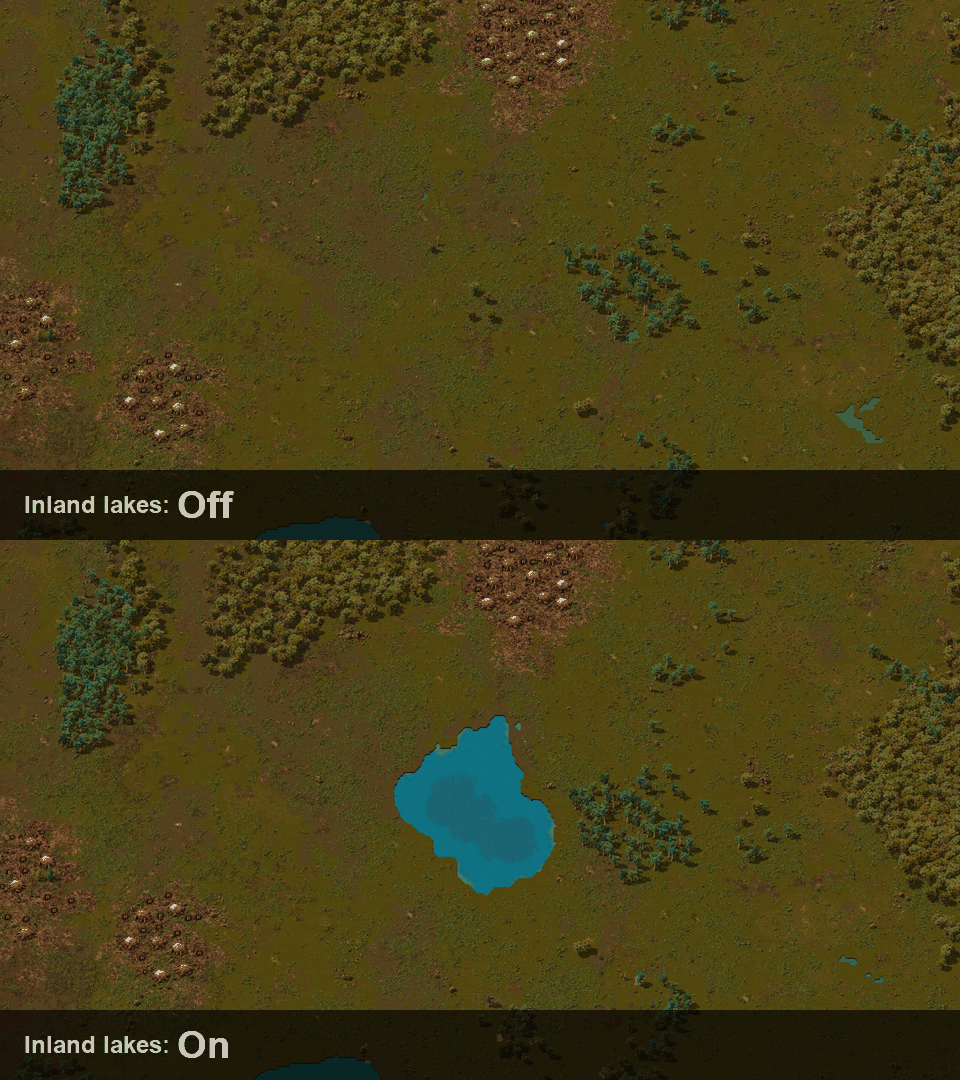
in the Alps the snow goes with them. - Inland lakes (Off): scatters small random lakes across the land, about eight in every 1,024 by 1,024 tiles.
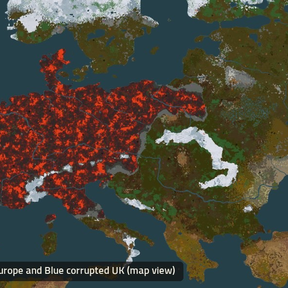
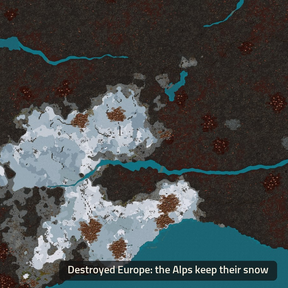
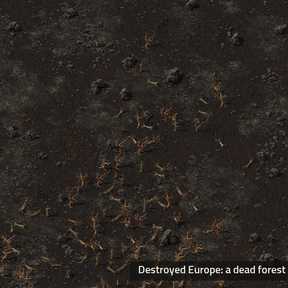
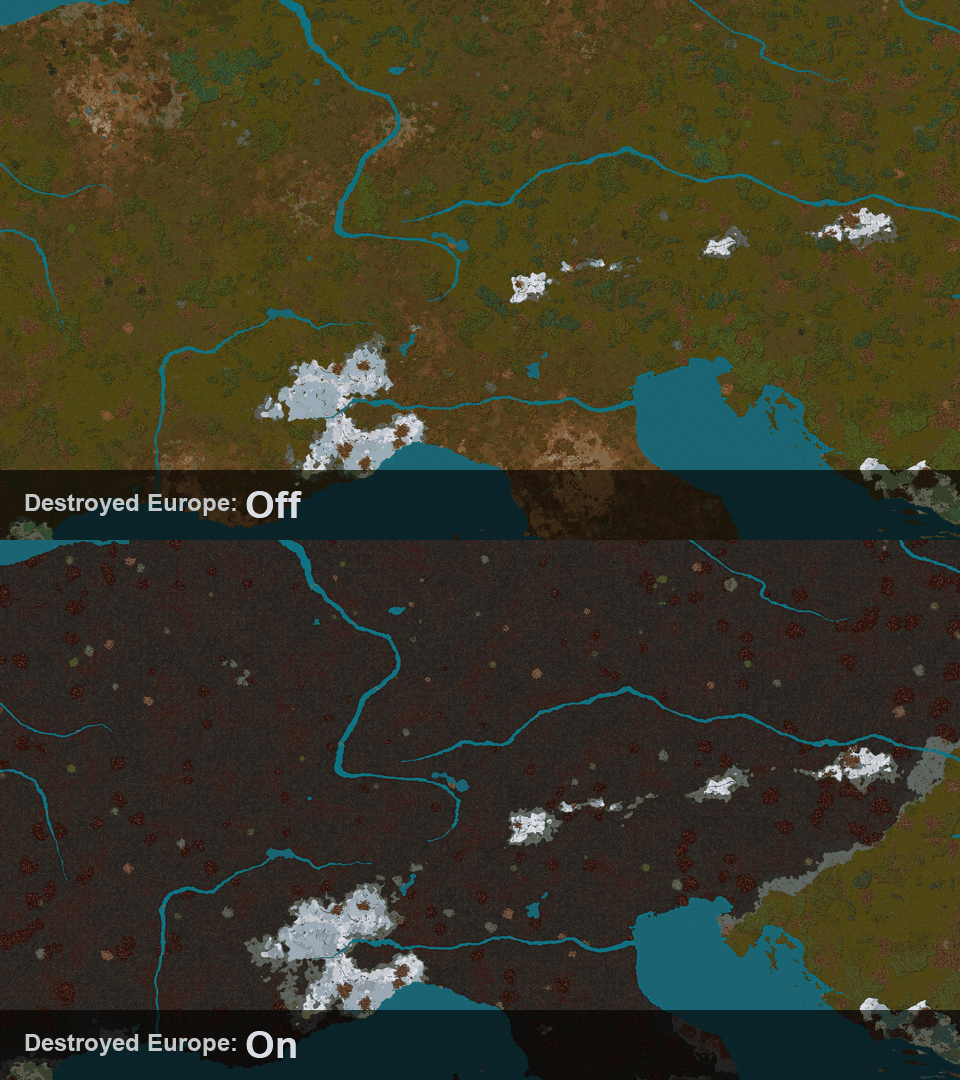
- Destroyed Europe (Off): turns the heart of Europe, from France to Poland and down Italy to about Rome, into a
volcanic wasteland whose outline differs on every seed. The snowy ranges it encloses keep their snow and grow
dead trees instead of living ones: the Alps, the eastern Alps and, on the Old World, the northern Apennines. The
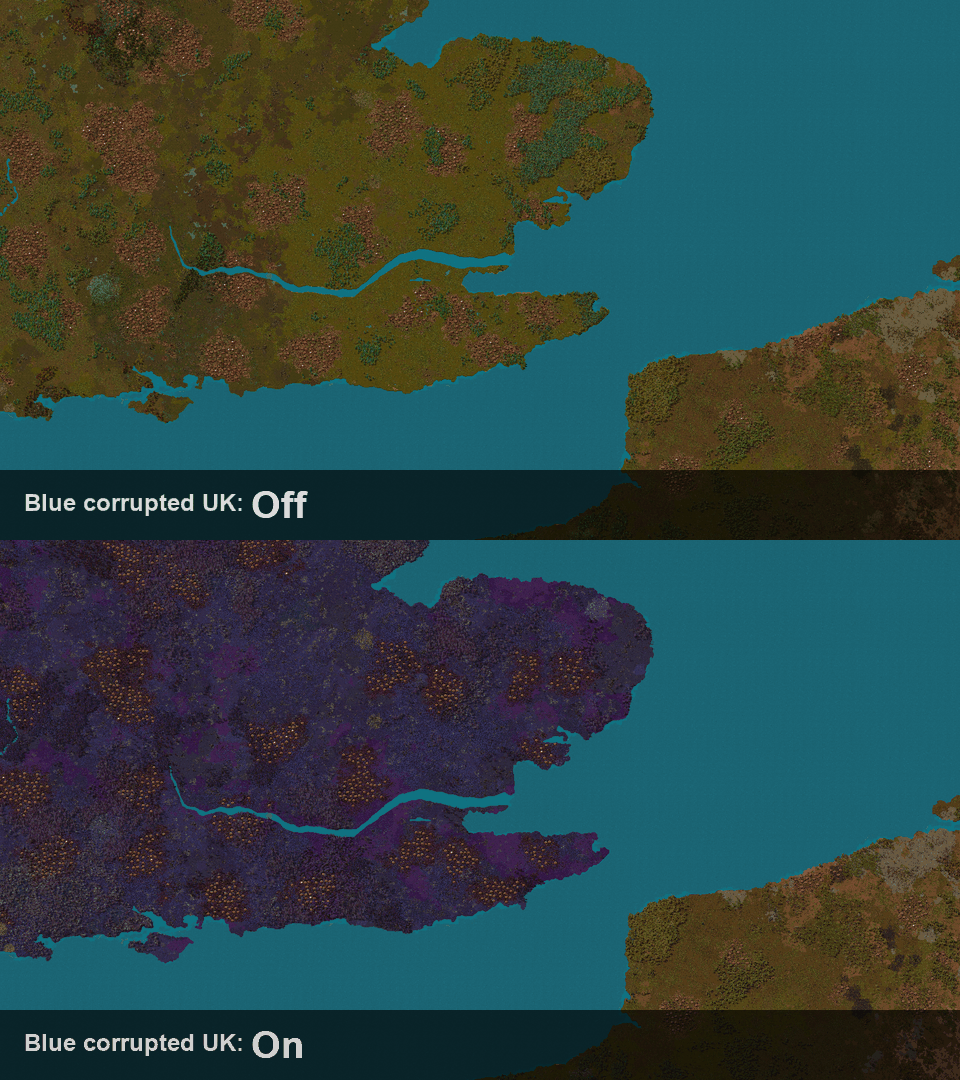
Pyrenees and the ranges outside the zone keep their living trees. Needs Alien Biomes. - Blue corrupted UK (Off): turns the United Kingdom into Alien Biomes' blue and purple lands. Needs Alien Biomes.
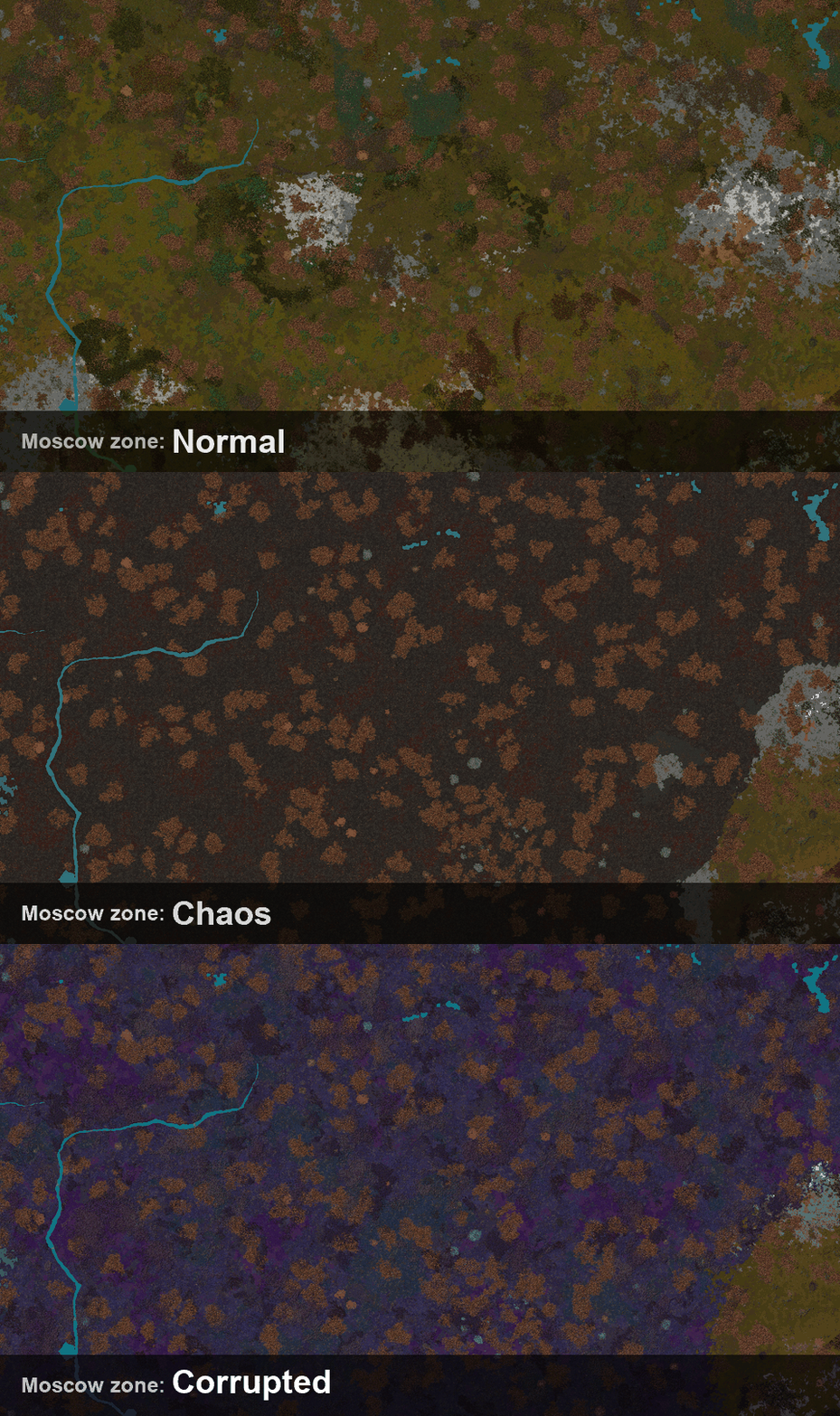
- Moscow zone (Normal): Normal, Chaos or Corrupted, the same two looks for a zone from the Baltic states to the
Volga bend. Since 1.1.0 the north snow and the western end of the Caucasus stay snow inside the zone, with dead
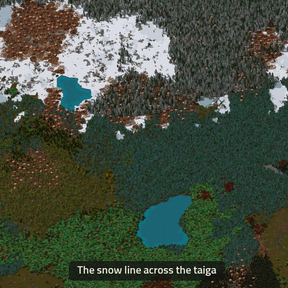
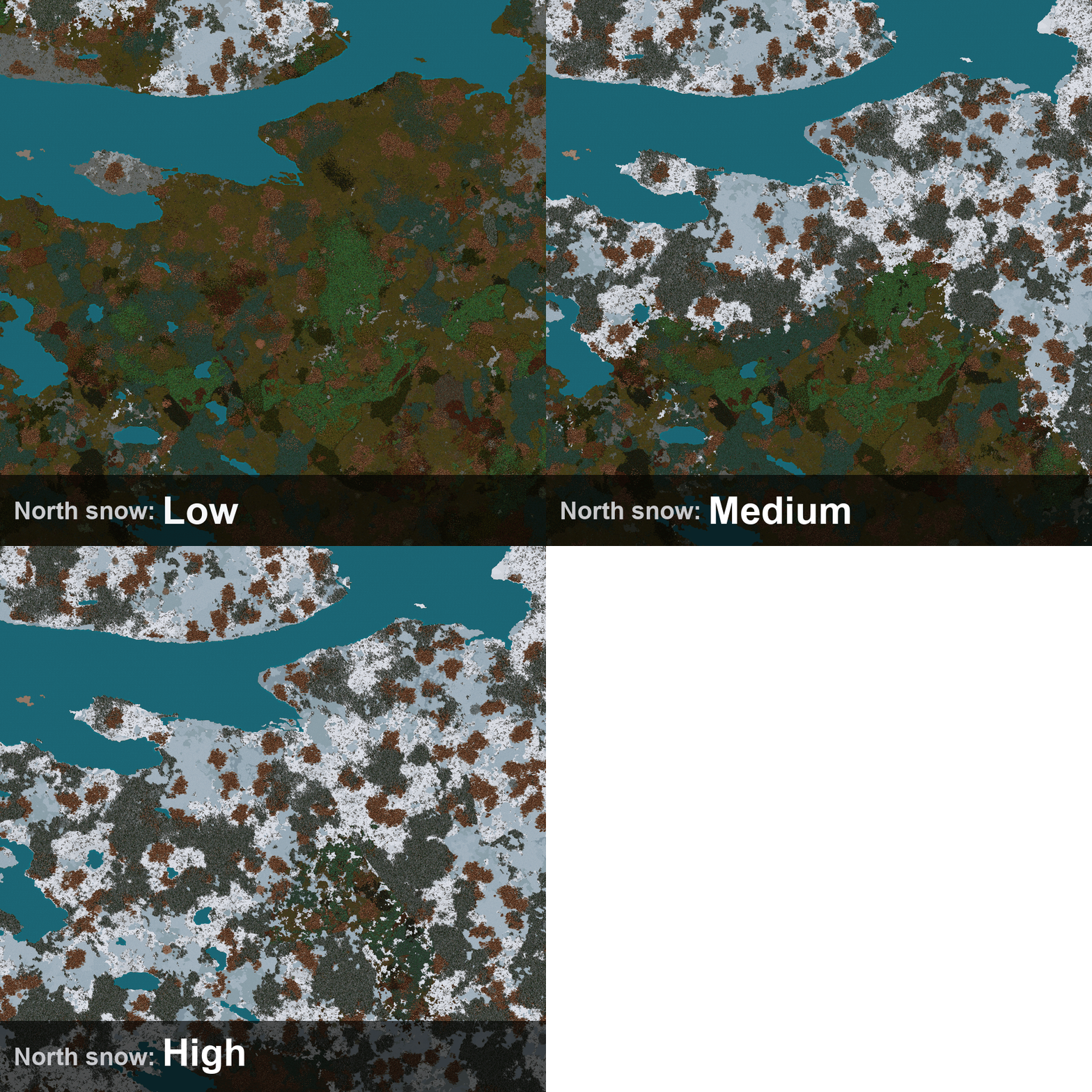
trees on them at Chaos. Chaos and Corrupted need Alien Biomes. - North snow (Medium): Low, Medium or High: how far south the snow of northern Eurasia reaches. Medium is about
61 to 64 N, High about 57 to 60 N. - City markers (Off): shows city names on the map view. This is the one setting you can change in a running
game.
The clips below are in-game shots of the Atlantic map (seed 1000, spawn Frankfurt, Alien Biomes) at scale 6
unless the clip is about scale, with every other setting at its default.
Map scale: the Rhine by Koblenz at scales 6, 12 and 24, at the same zoom, so a larger scale shows a shorter
stretch of a wider river.
Ridges on and off, in the Alps.
North snow at Low, Medium and High, over northern Russia at about 40 E, from 58 to 68 N.
Inland lakes off and on.
Destroyed Europe off and on, from the Rhine to the Adriatic. The ranges inside the zone keep their snow.
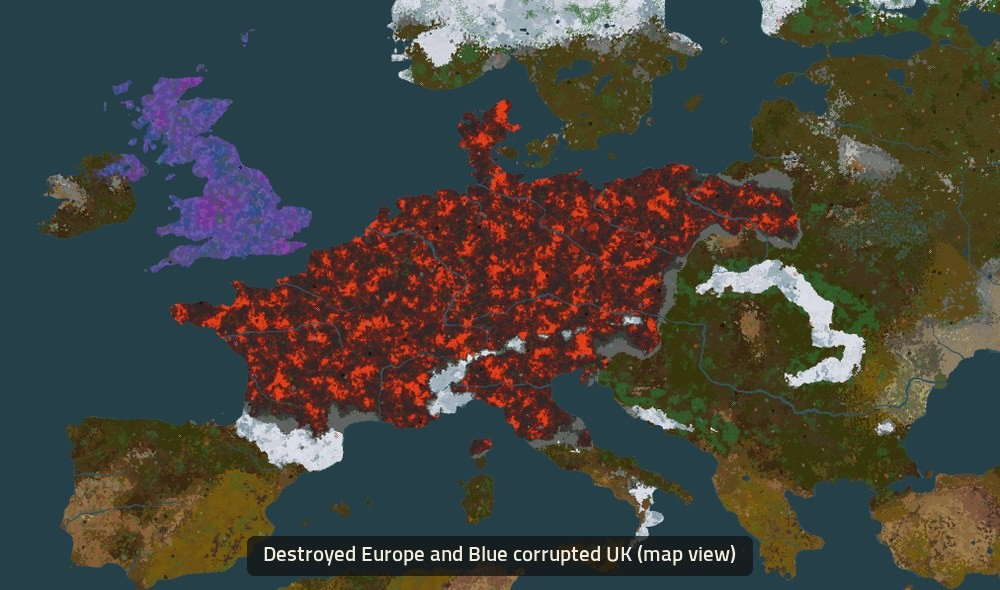
Both zones on, from a whole-map render of the Atlantic map at scale 6. Renders use the map view's colours, so
the volcanic ground that is dark in the world shows red here.
Blue corrupted UK off and on, over southern England and the Channel.
Moscow zone at Normal, Chaos and Corrupted, a view about 1,500 km across south of Moscow. The zone's eastern edge
shows at the right.
Features
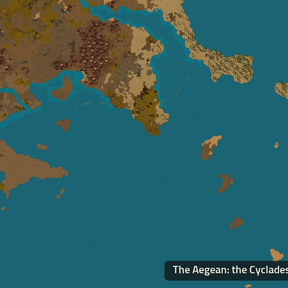
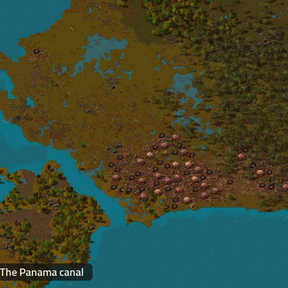
- Canals. Kiel and Corinth on every map, Suez on the Old World and the Atlantic, Panama on the Atlantic, as
sea-level channels at least 7 tiles wide. - Exact coastlines. On the Old World and the Atlantic at scales 1 to 6, each chunk's coast is held to the
source map as it generates, so channels and islets narrower than a pixel come back. The preview shows the noise
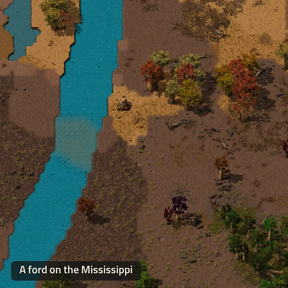
coast, which is the same shape without that last detail. - River fords. Every great river has stretches of shallow water you can walk across.
- Marshes. Wet ground with pools at real wetlands such as the Sundarbans and the Inner Niger Delta.
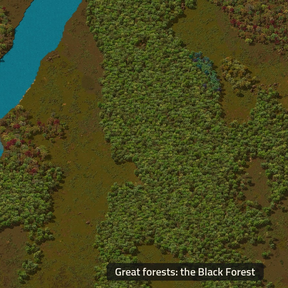
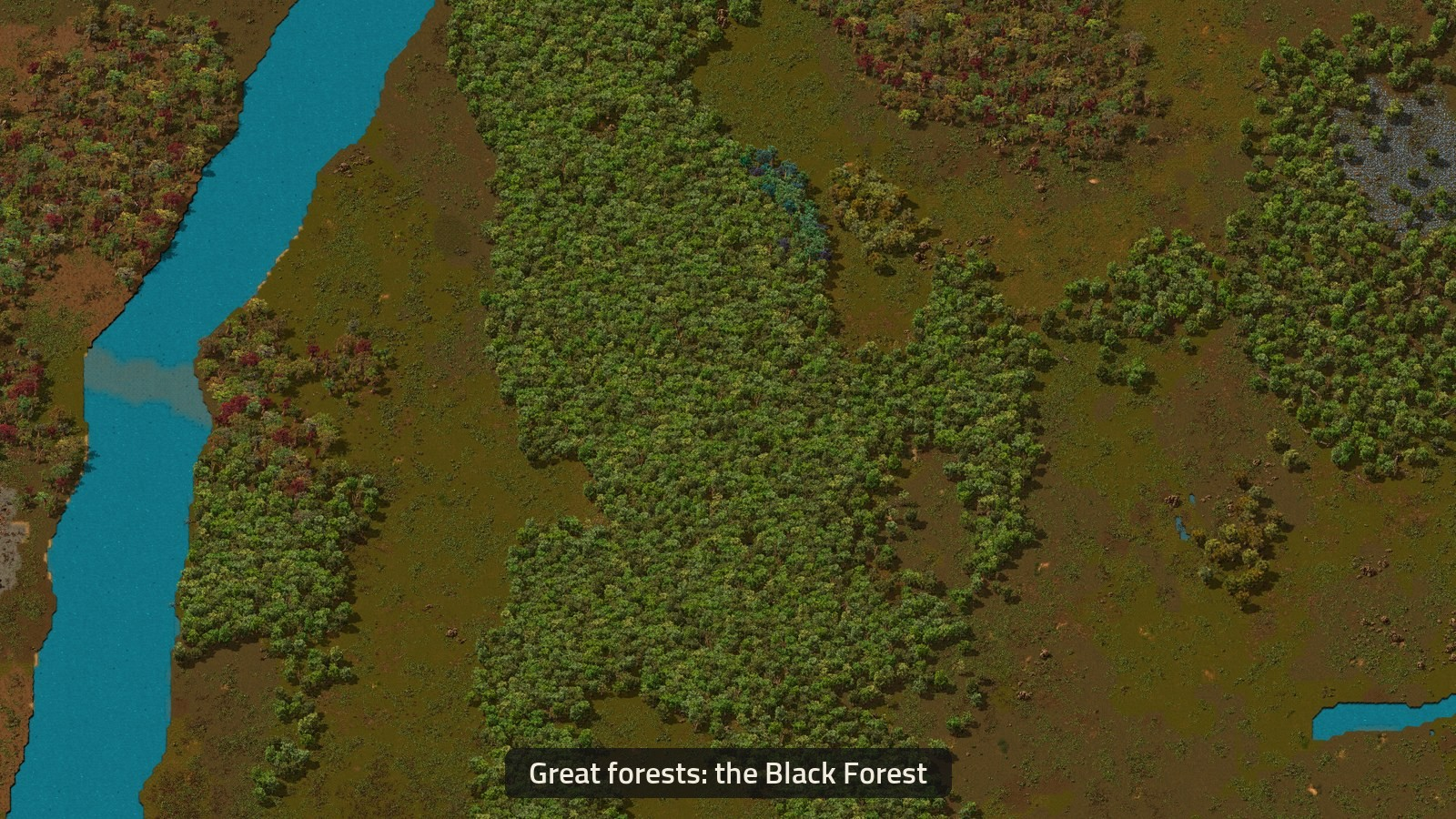
- Great forests. The 22 great forests of Earth, from the Black Forest and the Scandinavian taiga to the Congo,
the Amazon, Borneo and New Guinea, on the maps that hold them. Beside Alien Biomes the ground inside one is
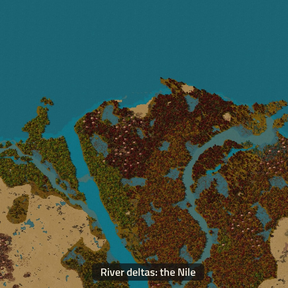
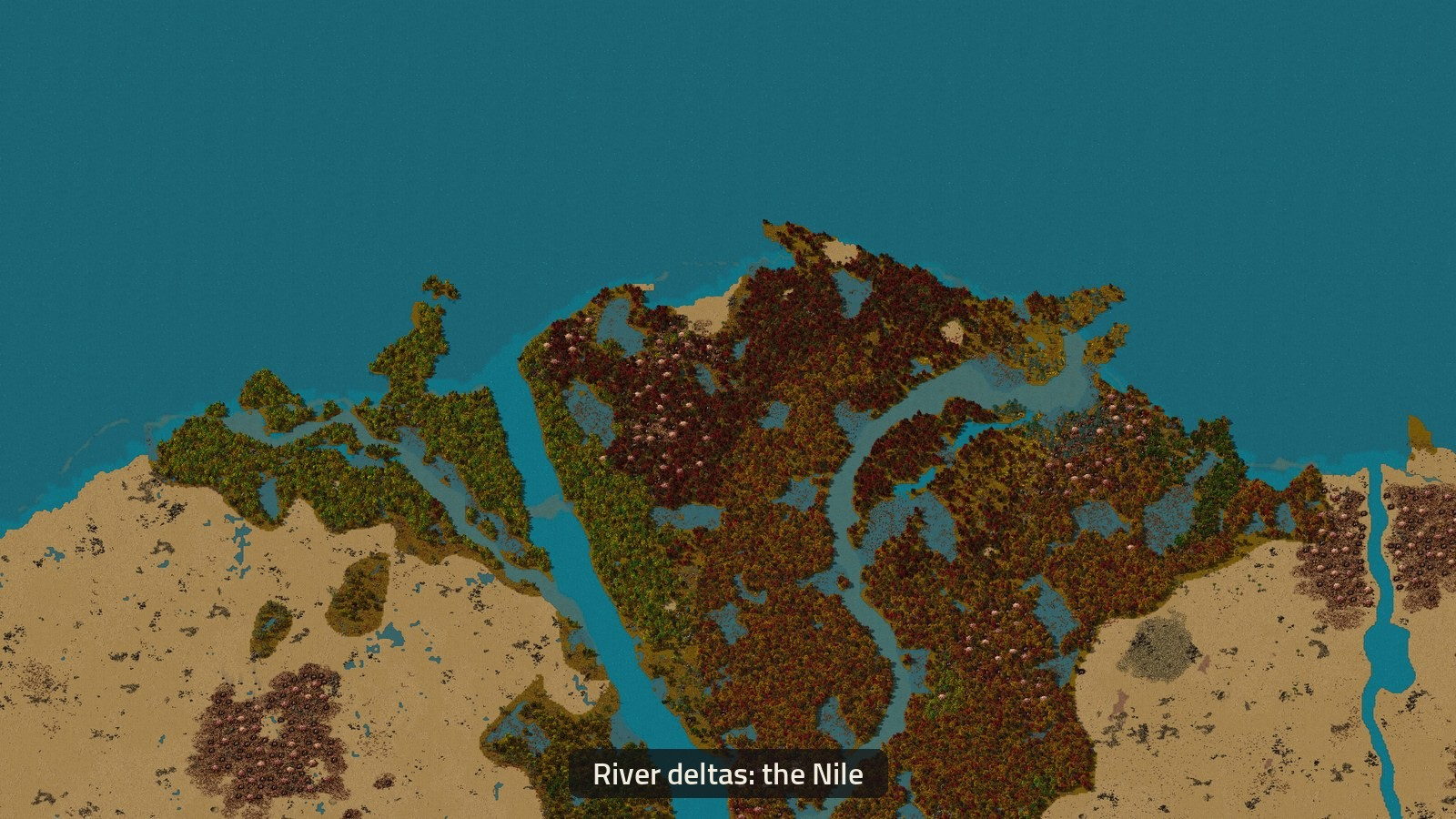
forest ground under dense trees. - River deltas. The great rivers fan out into shallow side channels at their mouths, across wet green ground on
most of them: the Nile and the Niger on the Old World and the Atlantic, the Indus and the Lena on the Old World,
the Amazon, the Mississippi and the Orinoco on the Atlantic.
More pictures are in the gallery above.
Compatibility
- Factorio. 2.1.24 or newer. The base game is enough.
- Alien Biomes. Optional. With it the ground follows real regions across a wider palette, and Destroyed
Europe, Blue corrupted UK and the Moscow zone need it. - Space Age. Works. Terra Nauvis changes Nauvis only, and the other planets generate as they do without it.
- Cargo Ships and Cargo Ships: Oil Rig. Canals and straits are open water at every scale. The Oil Rig adds
offshore oil fields. - RSO. Not supported. It replaces the map's ore with its own, and the game warns when it is active.
Bug reports and source
The source, the documentation and the issue tracker are on GitHub. Found something wrong? Open a
bug report. The form asks for the map, scale, city and seed, which is
what it takes to find the same place again.
How this was built
I am a software developer. I designed the mod, planned each sprint, set the rules and the tests, reviewed the
code and tested every build in the game.
The code was written with AI coding agents (Claude Code) working as a build team under my direction. Agents
worked in parallel, each in its own git worktree, on one feature with written acceptance criteria that had to
pass before the feature merged. A headless test harness runs the real game, so a result is measured, not
assumed. The append-only rule is enforced by tests, not by convention. Separate review passes were asked to
refute a change, not to confirm it. Every visual change was judged on in-game screenshots.
Licence and credits
Written by Jake Mismas and released under the GNU General Public License version 3. The mod is built on
EarthMaps by HySpeed (GPLv3), which descends from Factorio World by
TheOddler. Forest and marsh outlines come from RESOLVE Ecoregions 2017 (CC BY 4.0), and canal routes use data
from OpenStreetMap contributors. The screenshots show the art of Factorio and of Alien Biomes, which belongs to
their authors. NOTICE.md has the full notices and what is not covered by the GPL.
Factorio is a trademark of Wube Software Ltd. Terra Nauvis is an unofficial mod.